Iowa Starting Line founder Pat Rynard breaks down how Rob Sand spent years taking two of Iowa Republicans’ biggest political advantages away from them — and why that is pivotal in his race for governor.
Five years ago, I invited Iowa’s top Democratic leaders and candidates to a presentation to raise the alarm on the vast gap between their social media presence and that of Iowa Republicans.
When Iowa Starting Line shifted to a social-first reporting model in 2021, we began tracking far more in-depth the trends across Iowa’s social media landscape. At one point, I added up the engagements for all the top Republican incumbents and parties in a year and compared them to Democrats’ pages. As the party’s top leaders sat around a table in a labor hall, I laid out how the Republicans held almost an exactly 10-to-1 advantage in engagements over the Democrats in the state.
This did not happen by accident, nor was it solely a reflection of voting trends or the number of GOP-held positions in the state (Democrats controlled a couple statewide offices and one congressional district back then). When you did a deep-dive on their pages, it was obvious Republicans’ official-side and political operations had thought-out Facebook strategies of how to build their Iowa audience, keep it engaged, and maintain their personal brands. They didn’t ramp it up months before the election — it was always-on, constant communication.
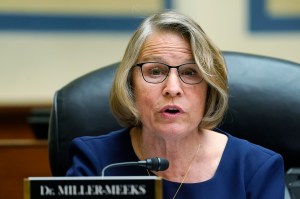
Notably, their posts played into non-political Iowa culture often, like when Gov. Kim Reynolds frequently cheered on Maddie Poppe on her pages as the Iowa singer competed on American Idol. US Rep. Ashley Hinson and US Sens. Joni Ernst and Chuck Grassley all clearly had similar approaches (no coincidence that their top staffers all come from the same Iowa GOP clique), though US Reps. Mariannette Miller-Meeks and Randy Feenstra did not.
Meanwhile, too many Democrats treated their social pages as an afterthought. Sure, they’d post an occasional fun photo from an event, rally followers against a bad bill, or share links to news articles. But there were times when an entire week passed with no posts on some of the top Democrats’ social pages. And few really engaged with Iowa culture — most Democrats’ communication was all political, all the time.
(To their credit, Iowa Democrats took the problem seriously, developed better Facebook, Instagram, and TikTok plans in the years since, and have narrowed the engagement gap.)
And this is a key, under-reported aspect of Republicans’ dominance of Iowa in the past decade: They were better at connecting with Iowans in authentic ways where voters were online. That largely meant Facebook in the 2010s, though now the mediums are more diverse. While Democratic and liberal comms efforts remained focused on little-read legacy newspapers, Republicans engaged more on the social platforms where Iowans actually got their news, realizing the sweeping change in how voters consumed information and thus shaped their views.
The exception was, as you can likely guess, Rob Sand.
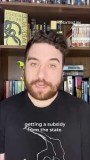
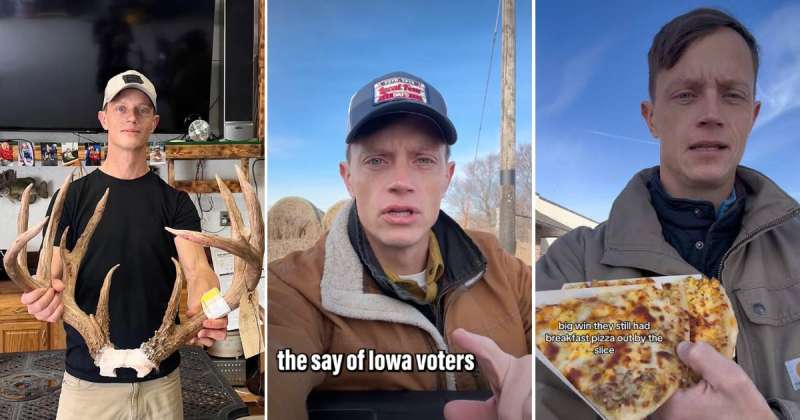
For years and years, post by post, Sand has built a rapport with Iowans online, usually with just his phone in his hand recording himself. He talks about his latest deer bow-hunting trip. He posts reviews of local restaurants he visits around the state. He shares photos of run-ins with Iowa celebrities. He jumps on trends that highlight his skateboarding abilities. And his love of Casey’s gas station pizza is just as well-known as his auditing efforts.
His willingness to be online has helped him stand out amid the type of cautious politician that voters have become used to. That builds trust so that when he discusses policy topics online, regular people, not just activists, stick around and listen.
Sand also understands the algorithms, and frequently encourages his supporters at events to not engage with right-wing content online, as it only boosts the message to more people.
You’re seeing the fruits of his efforts in the initial polling on the governor’s race—an impressive eight-point lead in one poll and election watchers moving the contest to toss-up status.
You could also see it coming for years in the comments sections and forums across social media. No other Democrat had the kind of regular-person familiarity on the Iowa Reddit forums, which is populated with what I’d call “Normie Dems” (read: non-activists) and independents. Among these groups, Sand has been by far the most talked-about and admired official in the state.
Should Feenstra prevail in the Republican gubernatorial primary as expected, he will face a very deep deficit of time and planning in online spaces. Sand has 111,000 Facebook followers to Feenstra’s 15,000. On Instagram, Sand enjoys a 44,000 to 1,100 lead. And Sand’s TikTok followers number 30,000, whereas Feenstra doesn’t appear to be on the platform at all. In how today’s information ecosystem and campaigns operate, that is a major structural disadvantage Republicans will face and simply won’t have time to make up.
Voters already often complain that politicians only show up in the community when an election is coming up. Sand understands that you can show up in people’s social feeds on their phones every single day, and that can be just as impactful as appearing on their doorstep.
But Sand hasn’t lacked in keeping up in-person appearances, either.
There, too, through town hall after town hall, year after year, Sand has snatched another key advantage away from Iowa Republicans.
The fabled 99-county tour is often referred to as “The Full Grassley,” in recognition of the longtime senator’s annual tradition that many other Republicans replicated to much fanfare of their own. But they often played little games with their travels. Grassley and other Republicans would often only make around 25% of their forums open to the public, and usually only in rural, heavily-Republican areas—holding private events at businesses or schools in Polk or Johnson counties in order to avoid larger liberal crowds. To her credit, Ernst didn’t mind mixing it up with blue-county residents, though her cheekiness at her Cedar Rapids event with her flippant “We’re all going to die” remark last year led to her downfall.
Sand’s approach to town halls is different and honors the actual spirit behind a 99-county tour. As he’s campaigned for governor, all his county visits have been open to the public. His campaign even had shirts with every county visit printed out months ahead of time.
And while Sand was redefining what an actual 99-county tour should look like, Republicans were increasingly shying away from public appearances, eager to avoid public backlash over their unpopular policies.
Feenstra himself has been inundated with headlines of “Feenstra skips forum” across the state as he avoids his GOP rivals. It’s a terrible look and strips away the image of the relatable, local politician that top Republicans in Iowa have long worked hard to maintain, no matter how long they’d been in office.
Of course, politicians often avoid public appearances because of one reason: control, or more specifically, the lack of it. Some campaign advisers simply don’t trust their candidate not to get caught speaking off the cuff, and usually for good reason!
Might you see some awkward moments or answers from all those Sand town halls? Sure. I sat next to obvious Republican plants at some events who hit Sand with pre-written questions clearly prepared by a GOP comms staffer. And Sand’s not perfect, and isn’t immune from making an occasional off-note response in his more free-flowing talks.
But his constant presence both online and in-person should help inoculate him to a degree to the coming attack ads.
Iowa voters have known Rob Sand for years as the bow-hunting, gas station pizza-loving state auditor who calls out fraud and abuse regardless of the party. When most Iowans get introduced to Randy Feenstra this year, it’ll be through campaign ads.
Iowans already know Rob Sand as an authentic Iowan. They’ll only know Randy Feenstra as a politician.
That may well be the difference in breaking the one-party stranglehold on Iowa politics once thought insurmountable.