Want to blame corn sweat for Iowa’s heat wave? You can—kind of.
While corn sweat isn’t the main driving factor behind the recent heat and humidity, it is contributing to the extreme heat warning the National Weather Service has in place throughout the state until 9 p.m. Tuesday, June 30.
Does corn sweat increase the humidity in Iowa?
Crops pull moisture from the soil and then push that into the atmosphere through evapotranspiration. As plants grow, they give off moisture.
With Iowa’s millions of acres of corn, dew points are typically a bit higher than in other areas that don’t have corn, said Andrew Ansorge, a meteorologist with NWS Des Moines.
Is corn sweat causing Iowa’s heat wave?
Sort of. Several factors are driving higher-than-normal heat and humidity in Iowa, Ansorge said.
The heat comes from a high-pressure system that’s staying over the Tennessee River Valley, while the humidity is from atmospheric changes in general.
This heat wave isn’t setting any new record highs. Late June and early July are typically when corn sweat starts to kick in, Ansorge said, coinciding with the time heat waves start to hit Iowa.
“The only thing that’s maybe different this year is this magnitude of heat and humidity,” Ansorge said.
When is corn sweat season in Iowa?
The growing season is the peak time for corn sweat, especially in the mid- to late-summer, according to the National Weather Service. Corn sweat contributes most to humidity during July and August.
When is the corn going to stop sweating?
You don’t have to wait for harvest for the corn to stop sweating. Humidity from crops typically cuts back late August-September. Once harvest begins, the contribution from corn sweat is eliminated.
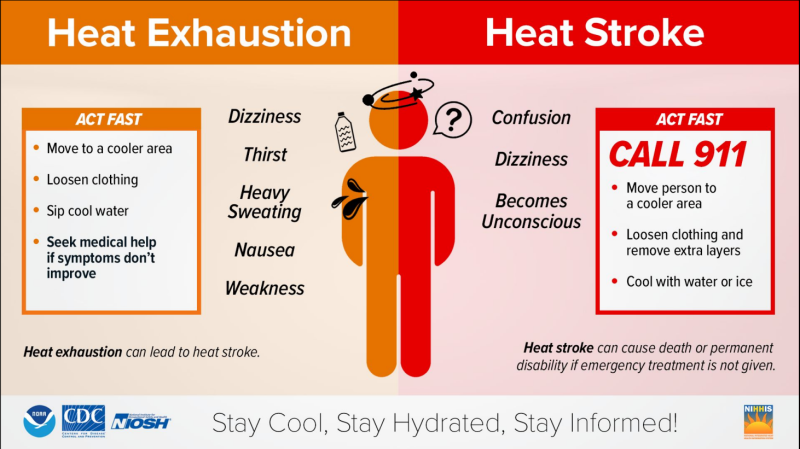
How to stay safe in extreme heat
The American Red Cross recommends staying hydrated, wearing lightweight, loose clothing, and staying inside in an area with air conditioning or taking cool showers or baths.
If exposed to extreme heat for too long, heat stroke, heat exhaustion, and heat-related fainting, cramps, and rashes can occur. Staying cool is the best way to prevent these heat-related illnesses, according to the Centers for Disease Control.
Des Moines Register reporters Kate Kealey and Kyle Werner contributed to this article.
This article originally appeared on Des Moines Register: “Yes, corn sweat is real. Should it be blamed for this Iowa heat wave?” Reporting by Lucia Cheng, Des Moines Register / Des Moines Register / USA TODAY Network via Reuters Connect