No such thing as a healthy tan
Aaron Knight is a musician in Iowa City, but by day he works outside as a stone mason. On job sites, he said, some precautions are taken less seriously than others. He recalled a tile job he was doing some years back, where he spent hours hunched over the floor. Someone ribbed him about it when they noticed he was using knee pads.
“‘You’re using a knee pad? Really?’” Knight recalled them saying. “Some people use face masks when they’re cutting stone and some people are like, ‘I don’t need a mask. I don’t need glasses. I don’t need earplugs.’ Sunscreen’s one of those too, where some people are like, ‘I’m not gonna waste my time.’”
He said it’s normal to get burned on the job in the beginning of the season.
“It’s kind of a running joke,” he said. “You get a good baseline burn.”
But Knight takes it pretty seriously. His sister died of liver cancer, and his mom had a melanoma removed from her skin. He joked that sometimes he goes out behind the truck to put sunscreen on out of view.
Van Beek said Iowans working outside should reapply sunscreen every two hours, but she understands the practical challenges workers face. “When you are out in the fields or with livestock and trying to get things done, to pause and remember to do that can be quite disruptive.”
When asked about the two-hour sunscreen reapplication recommendation, Knight said it was probably a good idea, but he didn’t know anyone who reapplied sunscreen that often.
“That’s a lot of sunscreen,” he said.
Even if people aren’t reapplying sunscreen perfectly, Van Beek said skin cancer rates in the US show people are taking UV risk more seriously. In her decades of practice, she’s seen attitudes toward sun protection improve, protective clothing become more accessible, and tans fall out of fashion. Even farm equipment has evolved, with enclosed tractor cabs replacing open models that left workers exposed.
Still, the fundamental risk for Iowa’s outdoor workforce remains.
Iowa allows minors to use tanning beds
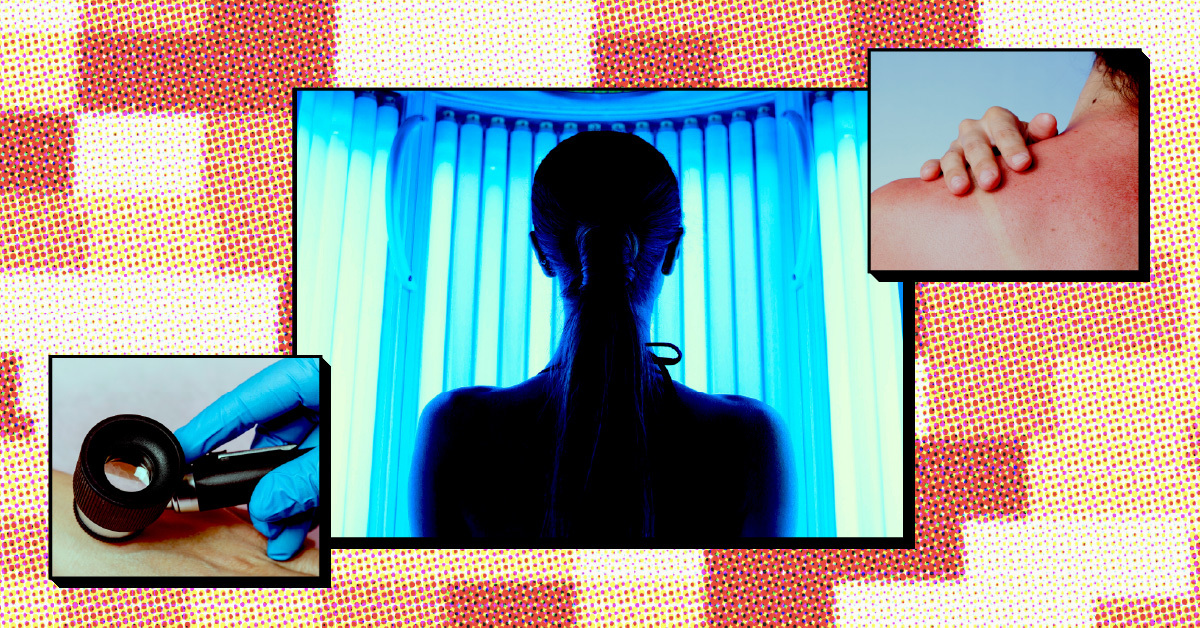
While Iowa outdoor workers face unavoidable UV exposure, a preventable danger comes from indoors: tanning beds. According to the American Academy of Dermatology, indoor tanning increases the chances of developing squamous cell carcinoma by 58% and basal cell carcinoma by 24%.
Van Beek’s recommendation on tanning beds is firm: “Do not use a tanning bed. That’s an emphatic: do not use.” Many of her melanoma patients were chronic tanning bed users. And using tanning beds before age 20 can increase your chances of developing melanoma by 47%; that risk increases with each use.
The US has a “patchwork” of legislation regarding the restriction of tanning bed use by minors. According to a 2022 review, Iowa is among just five states with no restrictions for minors using tanning beds. (Twenty-two states and the District of Columbia ban minors from using them completely.)
Iowa state Rep. Hans Wilz, an Ottumwa Republican, sponsored a bill this year to require parental permission for minors to use tanning beds. It passed in the House, but was among the bills that stalled out this session.
The challenge for both patients and policymakers is that skin cancer often develops decades after exposure occurs. Van Beek said she frequently encounters patients in their 50s who assume it’s “too late” to start protecting themselves because of childhood sun damage.
“My answer is, if you want to spend a lot of time with me in your seventies, then you can be very cavalier about your sun exposure,” Van Beek said. “But if you want to decrease how much time you see me and spend on my operating table, then it behooves you to wear sunscreen in your fifties because that directly affects how much skin cancer you get a decade or two later.”
The cumulative nature of sun damage means that every day of protection matters, regardless of past exposure.
Rural Iowans face barriers to care
For many, the biggest obstacle isn’t recognizing the cancer risk associated with tanning beds or working outdoors unprotected—it’s reaching a doctor in time. Rural residents often live far from dermatologists, creating delays in diagnosis that can affect outcomes.
“We know that the earlier we diagnose you—whatever type of skin cancer it is—the better you do,” Van Beek said. “The longer ways you live from a board-certified dermatologist, the more likely you will get diagnosed later because access is more difficult.”
While primary care providers help bridge this gap by conducting biopsies and making referrals, Van Beek emphasized that diagnosing skin cancer is often more complicated than it seems. In other words, sun damage can go unchecked until it becomes serious.
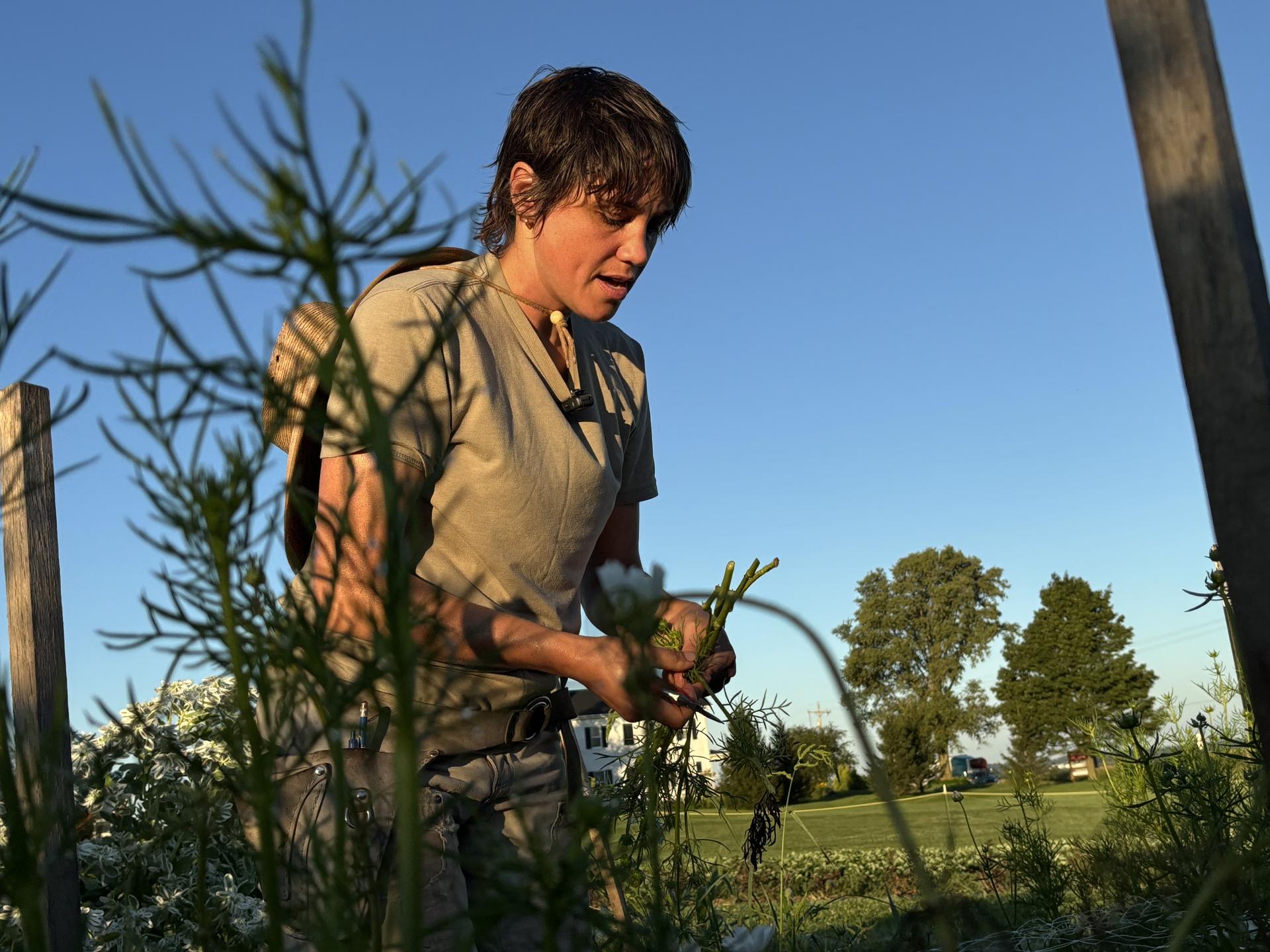
For farmers like Schmidt, the health risks don’t diminish their connection to the land. She spends eight hours or more outside most days, harvesting flowers, deadheading spent blooms, and managing the acre-and-a-half of growing space at Rhubarb Botanicals.
Many workers in her crew wear long sleeves to protect their arms from the unrelenting sun, but she trades extra coverage for mobility and comfort on muggy summer days.
“There’s corn sweat everywhere,” she said, referring to the humidity corn crops release into the air. “It’s just uncomfortable.”
No single day of exposure—or sunburn—causes melanoma. But every day in the sun raises that risk.
“I love being outside. I love touching plants and being in relationship with nature. But it does come at a cost, right?” Schmidt said. “It’s still a very taxing job on your body, and the sun, it’s part of that.”