Thursday, March 26, is Equal Pay Day, a day highlighting how much less the average American woman makes compared to the average American man.
In 2025, women made 18.6% less than men, meaning they’d have to work all of 2025, plus January, February, and nearly all of March, to make up the difference.
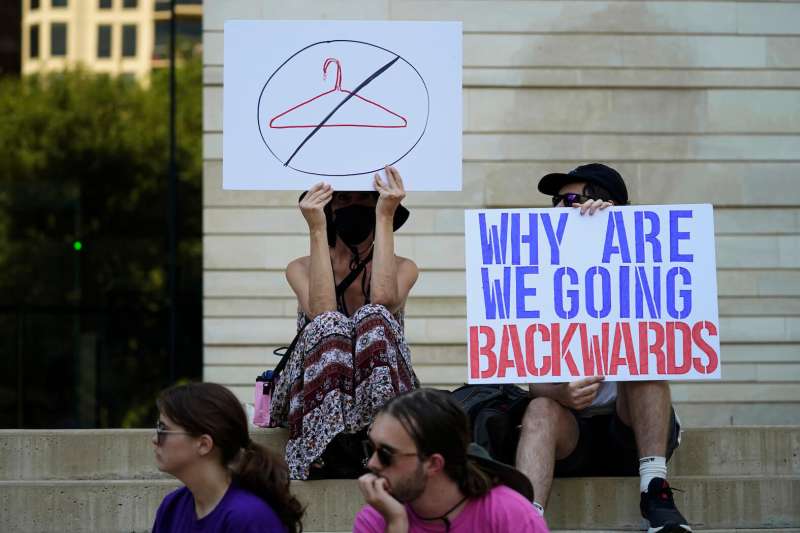
“We’ve really stalled out on our progress in our country around closing that gap,” said Jennifer Sherer, the Iowa-based deputy director of state policy and research at the Economic Policy Institute. ”And, in 2025, we even went backwards a little bit.”
There are several reasons for that, not least of which is a society that upholds men being in charge and devalues so-called “women’s work” like teaching and health care.
But it’s also because of policy choices our elected officials make at the state and federal levels—especially in recent years, which have contributed to widening that gap this year.
“We’re living through a period when it has become more and more difficult for women workers to seek equity and expect fairness in their workplaces,” Sherer said.
And that’s because of policy choices our elected officials make, particularly in the last few years at the federal level—including, Sherer said, “the Trump administration’s open hostility to all workers, and particularly attacking federal employees, which is a sector where educated women have historically found good job opportunities.”
But she also noted others:
- There’s been no minimum wage increase from Congress in almost two decades, a policy that disproportionately affects women workers who are overrepresented in low-wage occupations;
- Unlike most every other country in the world, the US only guarantees an unpaid 12 weeks of family medical leave, and only for some workers;
- Restricting the ability to organize and form a union, which for women and workers of color are especially important.
And Iowa’s government also hasn’t helped, she noted, including restricting access to reproductive healthcare, refusing millions of dollars in federal funding for childcare, and rolling back the rights of public employees> (another women-dominated sector) to collectively bargain.
“So all kinds of policy choices that are making it more difficult to close the gender pay gap,” Sherer said.
But there’s good news: Iowa workers are organizing to change things, like healthcare workers unionizing and the outcry against rolling back Iowa’s child labor laws.
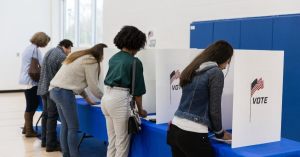
“It is a wake up call to take a look at this data and say, ‘2025, and we’re going backwards on the gender pay gap? Why is that happening?’” Sherer said. “It is absolutely going to be necessary for people to think about who they’re voting for and what kind of organizing we’re able to do in our own communities and our own workplaces to move things in a different direction.”