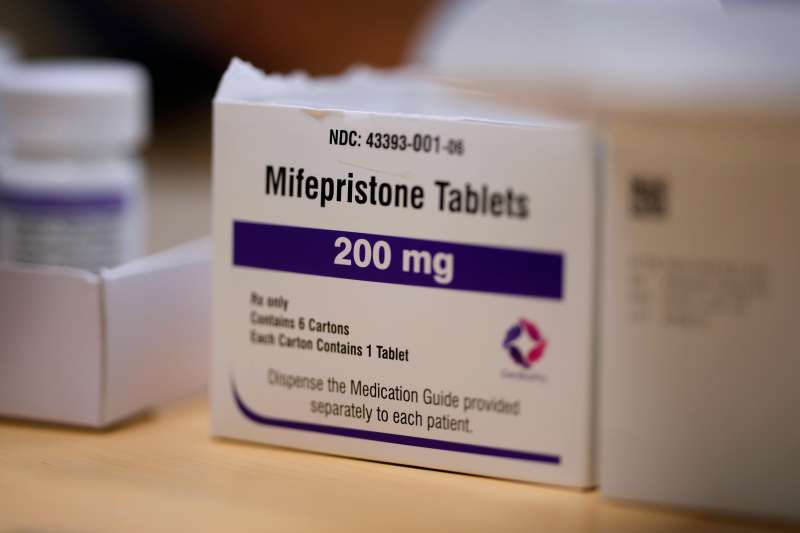
Eastern Iowa is about to have one abortion clinic left, and will require patients to travel in some cases hours further to receive care that used to be much closer. The state has implemented a new law restricting how Iowans can access abortion medication. The shift lands as Eastern Iowans are losing their premier physical safety net for reproductive care.
On July 1, 2026, House File 2788 went into effect, making telehealth-only medication abortions illegal in Iowa by requiring patients to undergo an in-person physician appointment before abortion-inducing drugs can be prescribed or dispensed. Simultaneously, Planned Parenthood North Center States (PPNCS) is moving swiftly to consolidate its physical operations, announcing the closure of its Iowa City Health Center by July 31.
The hurdles leave Planned Parenthood’s Des Moines facility as its sole remaining physical clinic in the state. For patients in the Iowa City area–including a massive population of University of Iowa college students who often lack cars or flexible schedules—the nearest Planned Parenthood is now a 2-hour drive away.
“We’re devastated,” said Danielle Pettit-Majewski, director of Johnson County Public Health. “Losing an additional access point is deeply concerning. This is now the third access point in Southeast Iowa that is closing at the end of this month.”
Pettit-Majewski noted that the regional consolidation follows the recent closures of the River Hills dental center in Richland and the Centerville Community Health Center, amplifying a broader rural healthcare deficit. While public perception heavily associates the clinic with abortion, local health officials emphasize that the Iowa City hub was vital for routine, preventative care.
“Yes, abortion is one piece,” Pettit-Majewski said. “But they also forget that it’s also well-women exams, it’s well-man exams, it’s testing, it’s cancer screenings. We are 51st in the nation for OB-GYN providers. … We are in a maternal care desert in Iowa.”
Iowans have seen an 80% drop in access to abortion services over two years. Severe funding cuts are driving the regional restructuring, leaving questions over whether the state’s remaining healthcare infrastructure can handle the influx of displaced patients.
Sheilahn Davis-Wyatt, chief operating officer of PPNCS, said the Des Moines staff stands ready to support on-site care. However, the organization’s primary strategy to prevent patients from being entirely cut off relies heavily on virtual services for non-abortion routine care, which are not restricted by HF 2788.
“Virtual care is really going to remain a strong and viable option for all Iowans across the state,” Davis-Wyatt said.
For patients navigating the mandatory in-person logistics for abortion care, Davis-Wyatt said PPNCS abortion navigators will coordinate travel and work with regional funds, like the Iowa Abortion Access Fund, to mitigate financial barriers. Under current laws, patients can also still legally bypass local restrictions by using out-of-state, telehealth shield-law providers in states like Illinois or Minnesota to receive abortion pills by mail.
Locally, the Emma Goldman Clinic will soon stand as the last remaining clinic in the immediate area offering in-person services. Pettit-Majewski worries that shifting the burden to a single local clinic and a far-away metropolitan hub will cause lower-income residents to simply go without care.
“When access is cut off, care is not replaced,” Davis-Wyatt said. “It simply disappears.”