Physicians across the nation are calling out medical professionals serving in Congress for supporting policy measures they say worsen the healthcare crisis and jeopardize access to care.
During a press conference organized by the Committee to Protect Healthcare, doctors urged constituents to evaluate lawmakers on their legislative voting record rather than their professional backgrounds. The conference highlighted legislative decisions by Sen. Roger Marshall (R-Kansas), Rep. Jen Kiggans (R-Virginia), and Rep. Mariannette Miller-Meeks (R-Iowa).
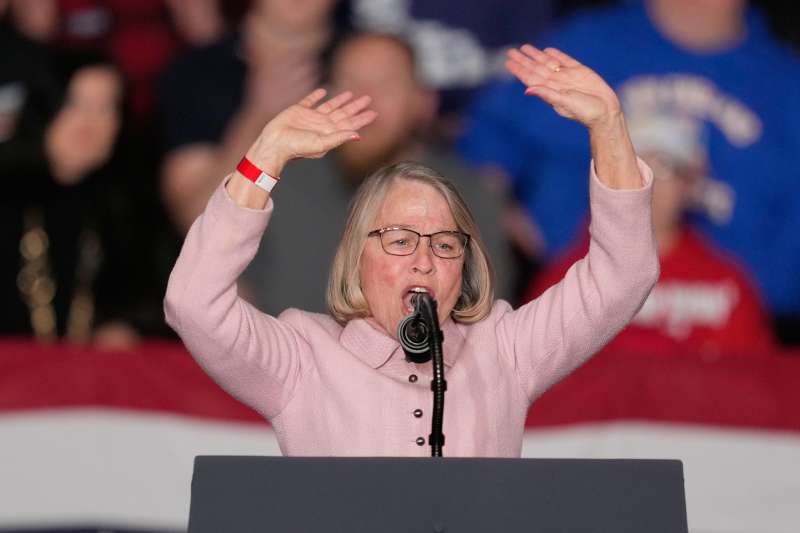
Dr. James Kettelkamp, a retired internist from Iowa City, directed criticism toward Miller-Meeks, a fellow physician representing Iowa’s 1st Congressional District.
“A physician’s perspective should begin with one fundamental question: What is best for the patient?” Kettelkamp said. “And if Representative Miller-Meeks had followed that principle, I do not believe she would have justified the votes she has given.”
An estimated 110,000 Iowans could be uninsured by 2034 as a result of the passage of H.R. 1, also known as the One Big Beautiful Bill Act, which reduces federal Medicaid spending. Kettelkamp pointed to Miller-Meeks’ vote for the bill–-along with her vote against extending the Affordable Care Act premium tax credits—as contributing to the problem of Iowans’ lost health coverage.
Beyond individual patient care, Kettelkamp warned that these policy decisions also threaten the economic survival of rural communities across Iowa, where healthcare facilities often serve as primary employers. Funding cuts associated with the OBBBA have also been connected to the closure of health clinics in Iowa
“When those institutions are shuttered, it results in all kinds of downstream effects,” Kettlecamp said. “The net effect is bad Republican health policy, which is basically less healthcare for all, becomes bad Republican economic policy.”
Physicians from Kansas and Virginia echoed similar concerns regarding their own representatives. Dr. Christa Balanoff, a Kansas surgeon, criticized Marshall’s support for H.R. 1, noting that one-third of Kansas’ critical access hospitals face immediate closure risks.
Virginia pediatrician, Dr. Natasha Sriraman, highlighted how rolling back Medicaid coverage and tax credits under Kiggins’ tenure increases long-term emergency room costs. She also said it would force rural patients to travel extreme distances for essential care.
“I’ve witnessed this hollowing out of many small Iowa towns in the past. It started as small farmers losing their farms to corporate producers. Now the same thing is happening to rural healthcare,” Kettelkamp said.
Iowa Starting Line reached out to Miller-Meeks for comment but did not hear back in time for publication.