Out of all 50 states Iowa has the second-highest and fastest growing cancer rate in the country. At least 12 candidates running for midterms this November have varying outlooks on how Iowa’s cancer crisis should be remedied. Below are highlights from their plans and statements on the issue:
Governor
Rob Sand (D)
Sand launched his “A Healthier Iowa for All” plan in April to address the crisis through strict environmental controls and healthcare expansion. His plan requires mandatory radon testing, denies corporate immunity for chemical polluters, and establishes a Cabinet-level Cancer Task Force. Additionally, he calls for expanding state funding for pediatric cancer research, raising tobacco taxes, and offering tax incentives for farmers who implement runoff mitigation practices.
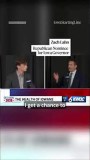
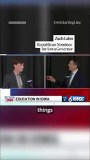
Zach Lahn (R)
Lahn is focusing on corporate accountability and redirecting state academic resources on this issue. His platform directs the University of Iowa to reorient its medical research specifically toward solving the state’s cancer crisis while conducting independent safety testing on products used in Iowa. He supports providing financial incentives for farmers to adopt agricultural runoff solutions and filing antitrust suits against dominant agricultural input companies.
Attorney General
Nate Willems (D)
Willems has centered his campaign on prosecuting corporate polluters who release carcinogenic material into Iowa’s air and water. He has advocated for using the Attorney General’s Office to independently enforce environmental laws rather than relying on state agency referrals. Willems argues that holding companies directly accountable with steep fines is essential to lowering environmental cancer risks across the state.
Brenna Bird (Incumbent R)
Bird balances environmental oversight with economic interests by collaborating directly with industry stakeholders. While facing criticism for declining to join multi-state legal actions protecting National Institutes of Health (NIH) indirect research grant funding, her office focuses on standard agency referral procedures before levying state legal action. She emphasizes defending existing state environmental frameworks while maintaining economic stability for Iowa’s agricultural and energy industries.
US Senate
Josh Turek (D)
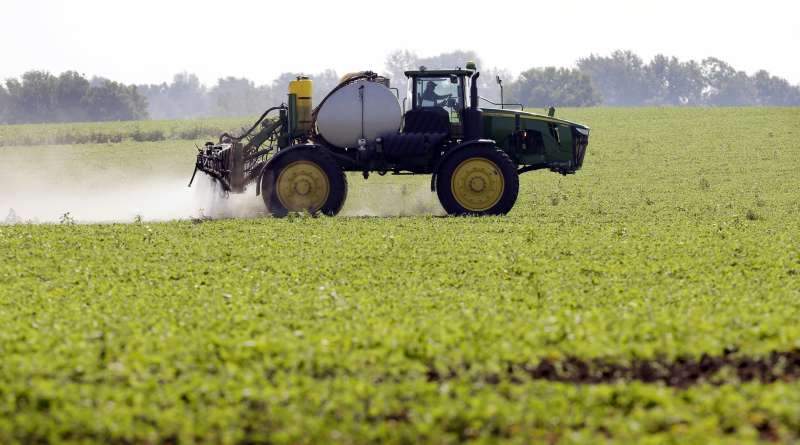
Turek is linking Iowa’s elevated cancer rates directly to agricultural runoff and water pollution, advocating for expanded federal funding for nitrate removal plants and water quality sensors. His platform calls for increasing incentives to farmers to cover crops and land barriers, alongside establishing winter fertilizer application bans. To aid patients, he focuses on expanding Medicaid, creating a healthcare public buy-in option, and passing guardrails that prohibit private insurance companies from denying doctor-recommended cancer treatments and scans.
Ashley Hinson (R)
Hinson is approaching the state’s healthcare and agricultural challenges through a framework of federal spending restraint, regulatory reform, and free-market incentives. Her plan prioritizes fiscal sustainability and broad tax relief while supporting agricultural innovations like cover crops and biochar research over environmental mandates. She introduced the Cancer Research Trust Fund Act which directs 10% of federal funds collected on tobacco products toward cancer research. However, Hinson has received criticism for voting against the extension of the Affordable Care Act, which requires insurance plans to cover essential cancer treatments.
US House District 1
Christina Bohannan (D)
Bohannan is emphasizing addressing environmental drivers, such as water nitrates and soil runoff, by supporting incentives for cover crops. She advocates for increasing federal funding for cancer research and ensuring rural populations are included in clinical trials. Additionally, she supports local public health departments’ efforts to widen radon testing access and combat rising healthcare costs.
Mariannette Miller-Meeks (Incumbent R)
Miller-Meeks is framing the crisis as a multi-factorial issue involving lifestyle, genetics, and environment, stressing multi-cancer early detection and screening access. She highlights her work on the Rural Health Transformation Fund to support local clinics to expand telehealth. To combat agricultural runoff, she promoted cover crops, biochar research at Iowa State University, and regenerative agriculture over strict government mandates. Like Hinson, Miller-Meeks also voted against extending the Affordable Care Act’s marketplace subsidies.
US House District 2
Lindsay James (D)
James is focusing on the intersection of elevated nitrate concentrations in water, unregulated private wells, and rural healthcare access. She supports stronger regulations on corporate polluters to clean up state waterways and protect residents drinking from untreated sources. She has also said she will push to lower prescription costs, end predatory healthcare practices, and increase funding for rural clinics struggling under financial strain.
Joe Mitchell (R)
Mitchell is supporting market-driven solutions and targeted healthcare reform that alleviates financial pressures on working families. His plan emphasizes expanding rural economy opportunities, reducing tax burdens, and cutting federal regulations to encourage healthcare providers to operate in underserved areas. He has also supported the Big Beautiful Bill, which included halting Affordable Care Act subsidies.
US House District 3
Sarah Trone Garriott (D)
Trone Garriott is supporting expanding healthcare by restoring Medicaid funding, creating a public buy-in option, and protecting pre-existing conditions. She advocates for robust federal cancer research funding and signed the American Cancer Society Cancer Action Network (ACS CAN) pledge. She also links the cancer crisis to water quality, calling for federal interventions to reduce agricultural pollutants in public drinking water.
Zach Nunn (Incumbent R)
Nunn is advocating for targeted federal assistance and protecting investments in regional initiatives like the University of Iowa’s “Combat Cancer” program. Although opponents point to his votes on broad federal spending packages that capped discretionary healthcare research programs and restricted Medicaid growth, Nunn claims these measures preserve fiscal sustainability while expanding early detection tools and rural health infrastructure.