The ongoing federal government shutdown is resulting in lots of Iowans not being paid—and it’s not just federal workers.
There are more than 10,000 Iowans who are federal workers, according to the Iowa Federation of Labor. “Working people are already struggling to pay our bills, and the Trump administration is offering no relief,” the group noted in a recent email. (In fact, he’s said he might not even pay them back pay when the shutdown is over, which labor unions are fighting.)
The shutdown also means any bailout of farmers—who need the money thanks to Trump’s “art of the deal” with China—is delayed, if it comes at all.
But the Federation, in line with the national AFL-CIO, also don’t think Democrats should agree to end the shutdown without saving Affordable Care Act subsidies, as Republicans including Gov. Kim Reynolds have suggested—noting that would mean “22,000,000 people are going to see their premiums more than double, millions will just lose coverage as they get priced out, hospitals and clinics are going to pass long increased costs from the Big Bill passed earlier this year, and monthly premiums will increase for everyone.”
And it seems voters agree: More than 78% of Americans, including a majority of Republicans, want Congress to renew the enhanced tax credits for people who buy their health insurance from the Affordable Care Act marketplace. And nobody’s really buying Republicans’ line that they’ll take up those tax credits later; they’ve said their goal all along has been to kill Obamacare.
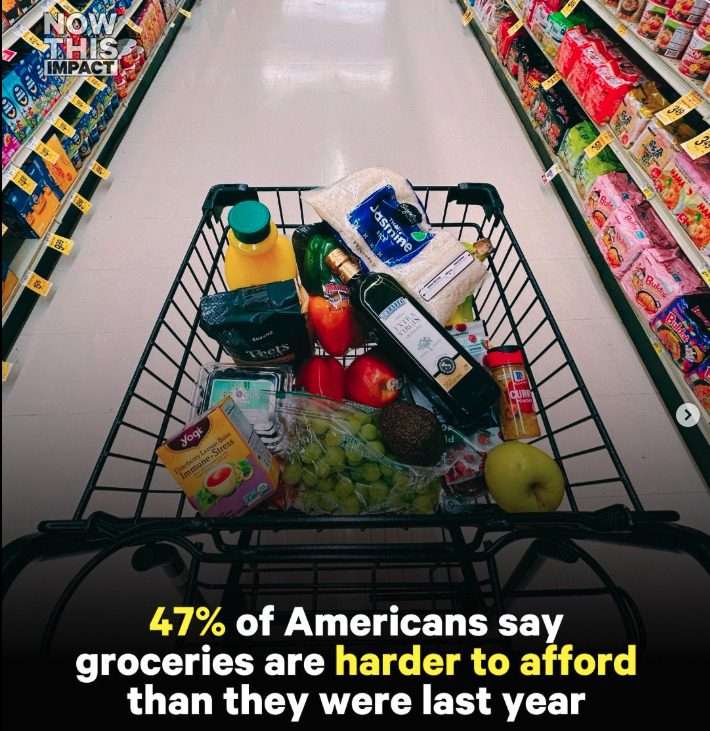
In this economy, nobody wants their costs to go up.
Iowa is now one of 22 states already in a recession, or dangerously close to it. Low-income Iowans will soon lose access to SNAP, along with free and reduced-cost school meals. Affordable housing, already hard to access, is getting harder thanks to tariffs on building supplies and home goods.
And it’s become increasingly harder to determine how the economy is actually doing, since the shutdown means no monthly jobs report.
Are you noticing prices going up? Is your budget getting tighter? How have you been affected during this shutdown? Email me.