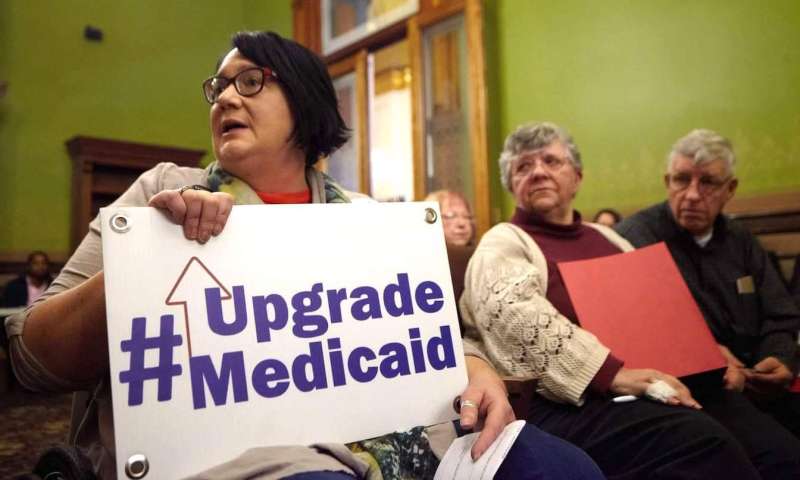
There are more than 365,000 Iowans with disabilities. Eric Donat and Jenn Wolff, who both have disabilities and are advocates for those with disabilities, want them all to get out and vote.
“Imagine if we all voted,” said Wolff, “and got our families to vote and then got our caregivers on top of that. We could sway an election.”
Swaying the election would enable them to elect more legislators to address issues important to them, such as Medicaid—or rather ending the privatization of Medicaid.
Medicaid provides health insurance to low-income families and individuals, including those with disabilities. Since then-Gov. Terry Branstad switched Medicaid from a state funded fee-for-service program managed by the Department of Human Services (DHS) to management by for-profit managed care organizations (MCOs) in 2016, it has been a nightmare for those with disabilities.
[inline-ad id=”2″]
“People aren’t getting services in a timely basis,” said Donat. “Providers, when they provide services, are not getting fully paid or they’re not getting paid at all and they’re pulling out of programs. And that’s when people with disabilities are not getting their services.”
Some of those services include caregivers.
In a recent Zoom session titled “Why We Vote” hosted on Facebook Live by Wolff’s grassroots initiative, Upgrade Medicaid, Elaine Gartelos stated, “I’ve lain—a total of up to three days—in bed without help. Up to 72 hours, I had at one point and that’s, part of it is because the funding is not there to pay the caregivers what they need.”
Donat wants to end this Medicaid program and return to the state model.
“Democrats offered different legislation to fix it, to make it work better, to try to put back on state system but Republicans said nope, we’re not doing that,” he said.
While it shouldn’t be a partisan issue, Donat and Wolff believe that many Republicans fail to see the problems with privatized Medicaid.
[inline-ad id=”1”]
Medicaid participants aren’t the only ones dissatisfied. In July, Iowa State Auditor Rob Sands issued a 77-page report detailing provider’s experiences with MCOs. Nearly 52% of those surveyed stated that privatization had negatively impacted care, 6.1% rated privatization favorably, and the remainder felt there was no change in care. Additionally, two-thirds stated privatization had no positive impact or listed a negative impact.
Which is why Donat, Wolff, Gartelos and others feel it is imperative to vote—to flip the House and lay the groundwork for flipping the Senate so that Medicaid privatization and their other issues—and their voices—will be heard.
Their current legislative allies include Senator Liz Mathis and State House Rep. Timi Brown-Powers, according to Wolff. In terms of candidates, Donat believes CJ Petersen and Chris Adcock are top allies.
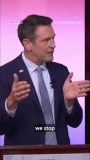
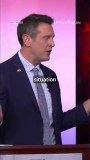
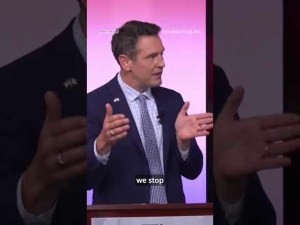
“Chris can be an ally and say, ‘I know people that this affects and I can be a voice and say, hey, we need to stop,’” said Donat, “And CJ can say, ‘I have this personal experience and I am a person with a disability’—I don’t know if he’s on any of these programs, but he can say, ‘I know people that are on these programs and it’s not working for them.’”
[inline-ad id=”0″]
Wolff is using her #UpgradeMedicaid campaign to “empower individuals to share stories of Medicaid’s privatization in order to impact change.” Most recently, she’s been hosting live Zoom panel sessions on #HowtoVote and #WhyWeVote, along with short videos submitted by others with disabilities sharing why voting is important to them, to empower others to vote.
Empowerment is important to her. Wolff is establishing a nonprofit, the Iowa Disability League, of which #UpgradeMedicaid is evolving into the new organization’s first campaign. Wolff wants the Iowa Disability League to be different than other organizations established to help those with disabilities.
“So many disability organizations have been led by non-disabled people,” said Wolff. “We’re trying to start flipping the switch and so our organization, all of the board members identify as disabled with different disabilities and intersections. The employees will have—I hope that they all identify as disabled, we’re still working on that—and then our members can be family, friends, anybody who identifies with a disability or an ally accomplice.”
[inline-ad id=”3″]
Wolff’s working with other organizations, like the Harkin Institute, Common Good Iowa, UCEDD (at University of Iowa), and various Center for Independent Living locations to be kind of a hub for the disability community.
“There’s a lot of great work being done in those organizations,” she said. “But nobody is coming together to work on the collective big issues impacting us all, to unify the message, which would make it so much stronger in trying to get anything changed because our state legislature still has such a backward idea of people with disabilities and Medicaid.”
That backward idea includes viewing people with disabilities as lazy and trying to live off the government.
“They keep on cutting things, but they’re cutting things that people are dying or going back into institutions, rather than being able to work and be productive, which just doesn’t make sense and is actually a violation of the ADA.”
Donat is actively trying change that inaccurate and offensive perception. He sits on the Planning and Zoning Commission and the Waterloo MHDS Services Board. He chairs the ADA Commission in the Waterloo Housing Trust Fund and the Waterloo Commission for Human Rights.
[inline-ad id=”4″]
This and other efforts have earned him the nickname Mr. Everywhere.
“I’m pretty much involved in everything,” said Donat, “and that’s because I want people with disabilities to be seen as they can be included and participating and contributing to everything. And that’s important. Being Mr. Everywhere is a moniker, but it’s a moniker that means something. It means that people with disabilities can be part of everything, just as those who don’t have a disability, and that’s important for inclusion purposes.”
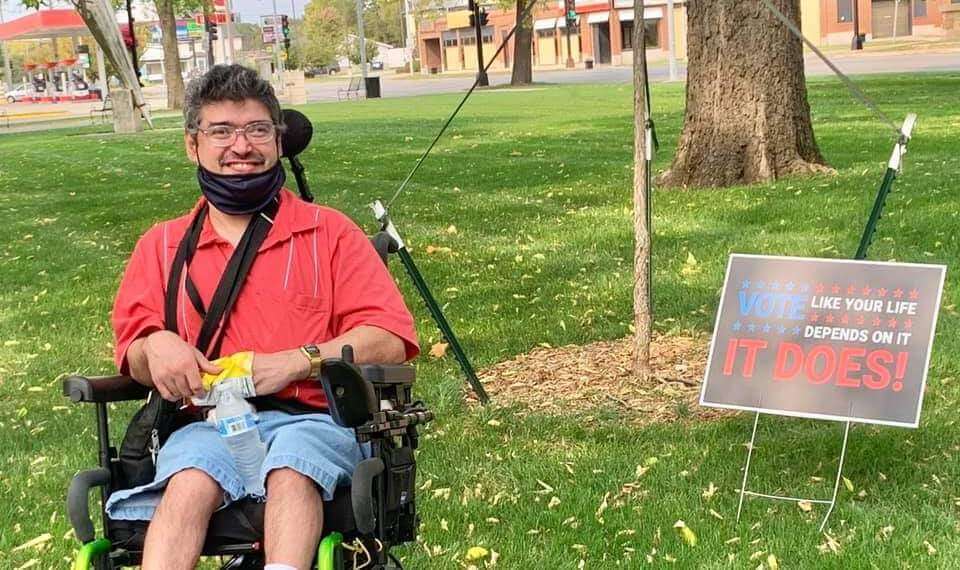
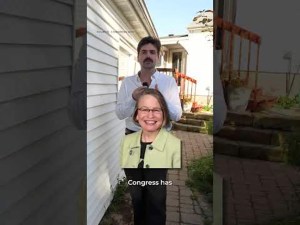
Donat is pleased that inclusion also meant appearing in Joe Biden’s Keep Up ad (1:37).
Another part of inclusion is being heard. Donat feels that a lot of people treat people with disabilities like children.
“Don’t express your opinion because you should be like a child, be seen and not heard,” he said.
He feels that one way to be heard right now is to get out and vote.
“Your voting is your voice. If you’re on the sidelines, then people can talk past you,” said Donat. “People can talk about you and not include you and if you’re not included and people are talking past you, you are on the menu instead of at the table.”
“And that’s what I want to say to people with disabilities, ‘Don’t be on the menu. Be at the table.’”
by Rachelle Chase
Posted 10/29/20
[inline-ad id=”1″]
Iowa Starting Line is an independently owned progressive news outlet devoted to providing unique, insightful coverage on Iowa news and politics. We need reader support to continue operating — please donate here. Follow us on Twitter and Facebook for more coverage.