How can policymakers help reduce Iowa’s cancer rates?
To help reduce Iowa's cancer rates, the government will need to take action. We’ve got some ideas on where to start.
To help reduce Iowa's cancer rates, the government will need to take action. We’ve got some ideas on where to start.

To control costs, nearly all health insurers use a system called prior authorization, which requires patients or their providers to seek approval before they can get certain procedures, tests, and prescriptions.

Iowa is fourth in the nation for rates of alcohol-related cancers, and highest in the Midwest.

It is possible to reduce your risk of cancer. Iowa health experts share more.

As an Iowan, I've always been drawn to helping people. Growing up “Iowa nice” transformed into a desire to become a pediatrician, connecting with families like the ones I grew up alongside....
Iowa has the highest radon levels in the nation, and doctors say the gas is causing hundreds of lung cancer deaths every year.

Despite policy efforts to preserve services, a new study found that structure inequities in health care access have led to a nationwide decline in rural obstetric services since 2018.
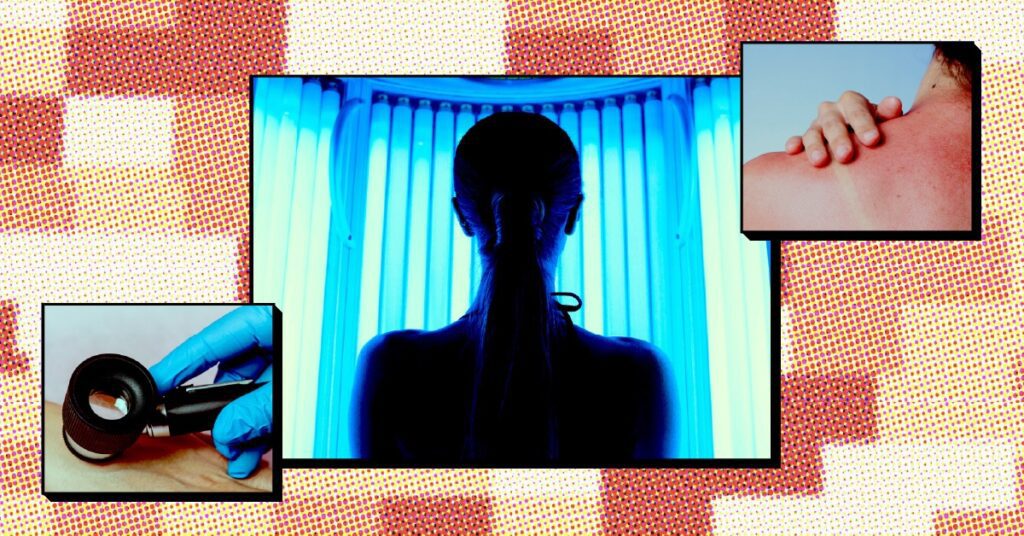
Iowa has the fifth-highest rate of skin cancer in the country, with numbers similar to states with far more UV radiation levels. This week on The Hot Spot, we look into the forces impacting our cancer rate.
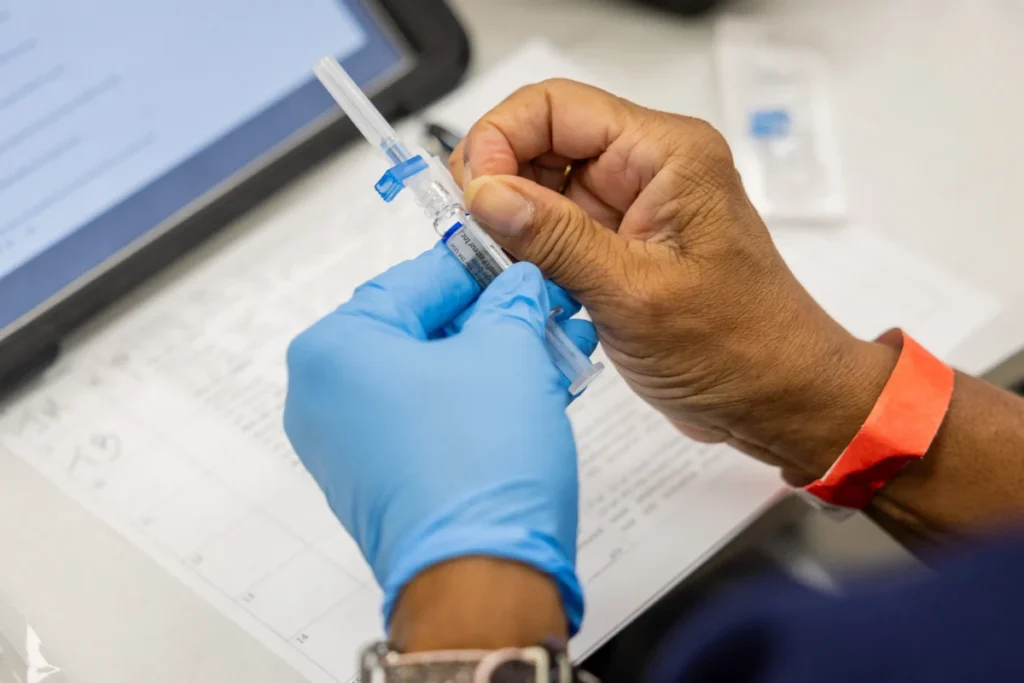
Amid political chatter about vaccines and the government entities that oversee them, it’s understandable to wonder where all this leaves the 2025-26 flu vaccine. In short: Yes, the flu shot is still a thing. And four doctors we spoke to said they recommend you get your flu shot this year.
Cancer in Iowa isn’t just about treatment—it’s about surviving the system, asking why it happened, and living with the aftermath. Five Iowans share their stories.