
Rising electricity bills in Iowa are putting pressure on household budgets. Lawmakers in Washington have introduced a proposal to tackle those rising costs.
As winter protections begin to expire across Iowa, thousands of households are bracing for a spike in electricity shutoffs just as temperatures—and energy bills—start to climb.
In 2025 alone, shutoff notices rose almost 10% compared to the year before, and close to 170,000 Iowa families were struggling to keep up with utility payments.
With no statewide protections against shutoffs during extreme summer heat, and energy costs continuing to rise, the state could be heading into another season where losing power is a growing risk.
With that in mind, federal lawmakers are proposing a new solution: the Energy Bills Relief Act, a bill aimed at lowering electricity costs and preventing more families from falling behind.
What is the Energy Bills Relief Act?
Introduced by US Reps. Sean Casten (D-IL) and Mike Levin (D-CA), and with 100 Democratic co-sponsors, the Energy Bills Relief Act is designed as a “consumer-first” approach to energy policy.
The legislation focuses on lowering electricity costs by expanding access to cheaper energy, improving efficiency, and preventing utilities from passing unnecessary costs onto customers.
How the bill would lower costs
To bring down energy bills, the legislation (if passed) would:
- Restore clean energy tax credits to boost development of wind and solar energy projects
- Provide direct financial assistance to help households avoid shutoffs and stay current on bills
- Reward utilities for cutting costs, rather than simply passing them on to customers
- Crack down on price gouging and excessive charges
- Require large energy users, such as data centers, to shoulder more of the costs they drive
The bill would also expand energy efficiency programs, such as home weatherization, which can reduce how much electricity households need in the first place.
Why clean energy is central to the plan
A major focus of the bill is expanding clean energy like wind and solar, which lawmakers argue are now among the cheapest sources of electricity.
By speeding up the development and connection of clean energy projects to the grid, the bill aims to increase supply and bring costs down over time.
What happens now?
The bill will be assigned to a relevant House committee (more than likely the House Committee on Energy and Commerce) for review where it will be examined and hearings may be held.
It must pass out of committee where it will be debated on the House floor. It will need to be passed by the House before going through the same process in the Senate.
Then the president has to sign it into law.
Want it to pass?
Contact your US Representative or Senator and let them know how you feel. It is their responsibility to represent you—find yours here.

Epstein email says Trump ‘knew about the girls,’ but White House says release is a Democratic smear
WASHINGTON (AP) — The sex-offending financier Jeffrey Epstein wrote in a 2019 email to a journalist that Donald Trump “knew about the girls,"...
‘Sick to my stomach’: Trump distorts facts on autism, tylenol, and vaccines, scientists say
By Amy Maxmen Originally published September 22, 2025 Ann Bauer, a researcher who studies Tylenol and autism, felt queasy with anxiety in the weeks...

Conservative activist Charlie Kirk dies after being shot at Utah college event
OREM, Utah (AP) — Charlie Kirk, a conservative activist and close ally of President Donald Trump, was shot and killed Wednesday at a Utah college...
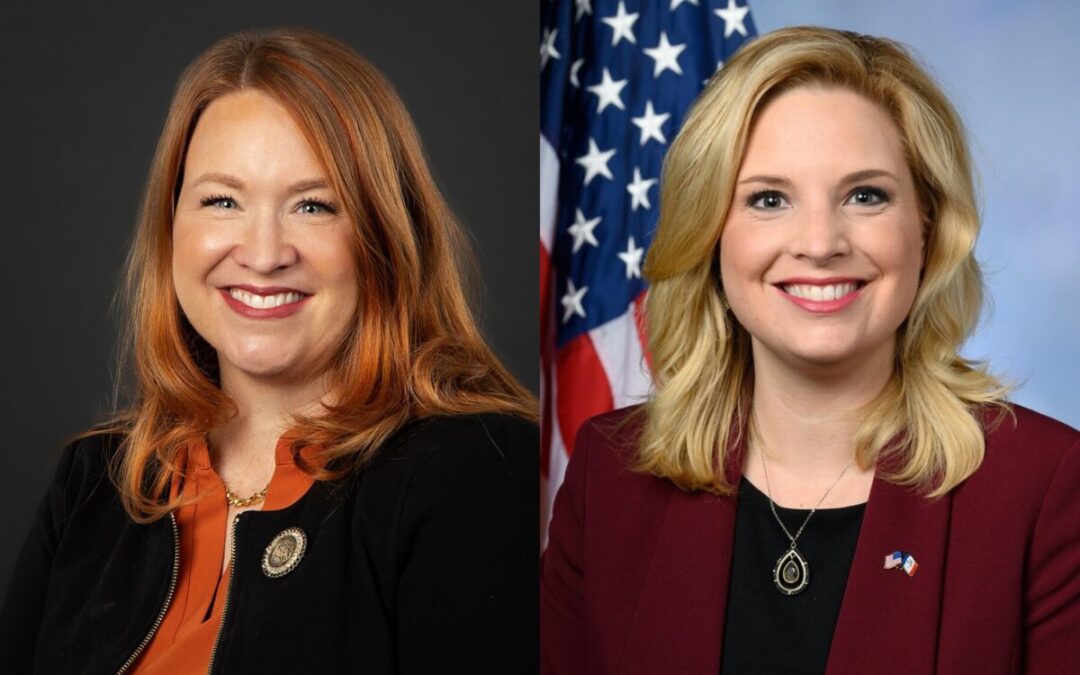
Dubuque pastor and state Rep. Lindsay James to run against US Rep. Ashley Hinson
Iowa state legislator Lindsay James is the third Democrat to challenge the northeast Iowa congresswoman in a race pitting kitchen-table economics...

Scholten suspends US Senate campaign, endorses Turek
The Democratic primary to take on Republican US Sen. Joni Ernst in 2026 has narrowed. Just one week after announcing his bid, State Rep. Josh Turek...

Paralympic gold medalist Josh Turek launches run against US Sen. Joni Ernst
The Iowa state representative, who won twice in Trump territory, is betting his story of overcoming adversity will resonate statewide. Josh Turek...