Have you heard about the Iowa town that became a utopia for Black workers over a hundred years ago? (It’s one of my favorite Black History Month stories.)
Watch the latest edition of Clocked In on:
@iowastartinglineDuring the height of Jim Crow, the small Iowa town of Buxton was decades ahead of its time. Learn how in the latest edition of Clocked In, our series for Iowa’s workers.♬ original sound – Iowa Starting Line
Buxton, Iowa, was an unincorporated mining town where Black and white residents lived, worked, and went to school side by side—with equal pay and no segregation.
How? It was designed that way.
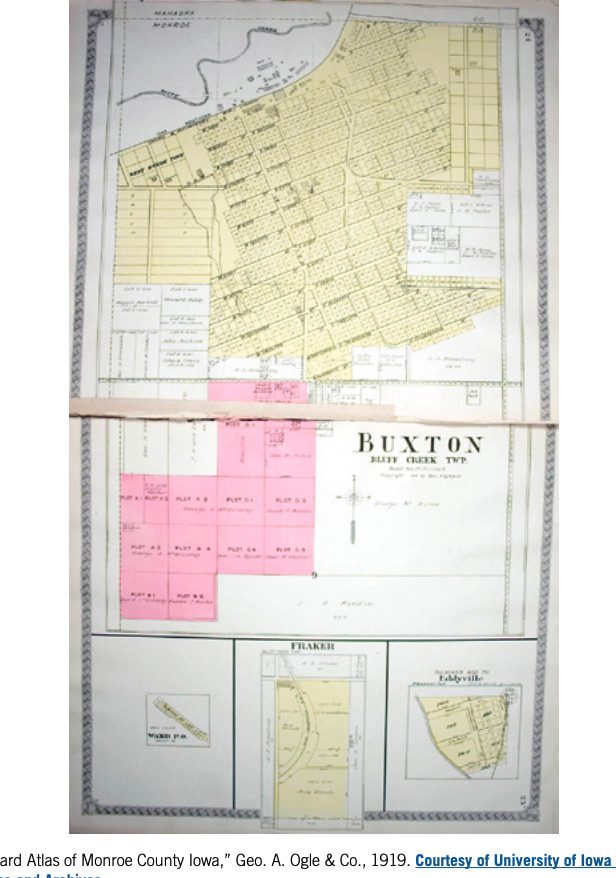
Buxton used to sit between Monrow and Mahaska counties in Southeast Iowa, near present-day Oskaloosa.
Back in the late 1800s, coal mining towns were everywhere in Iowa.
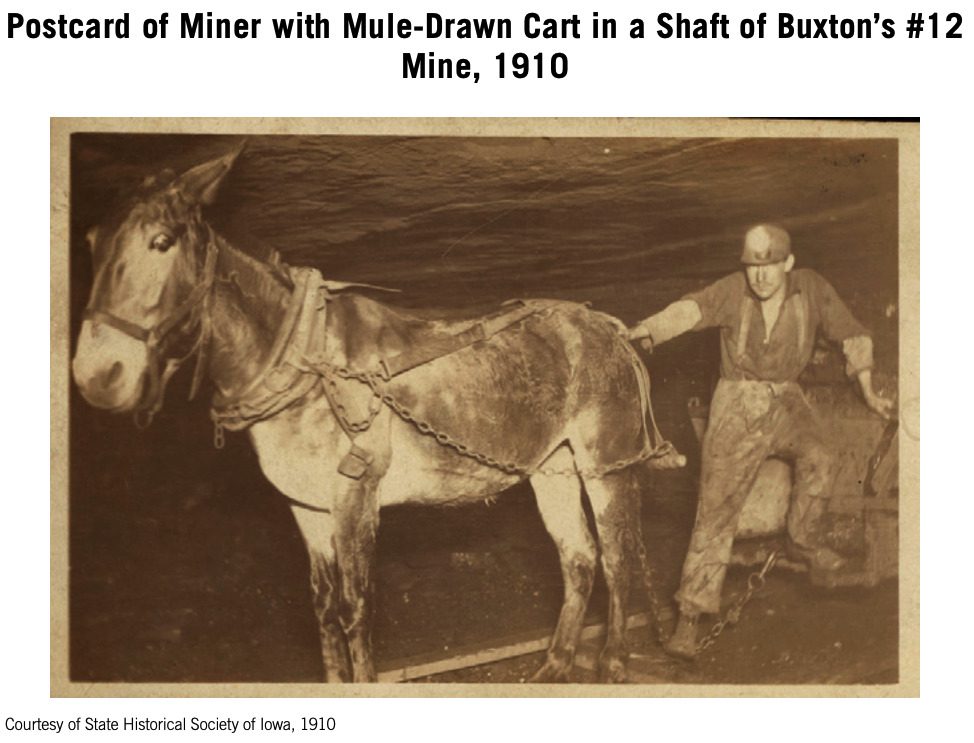
At the same time, miners—working in dirty, difficult conditions with low pay and long hours—were going on labor strikes across the country. Coal companies responded by recruiting Black workers from the South instead of agreeing to white coal miners’ demands.
Usually, that ended up sowing resentment between white and Black workers, leading to more strikes and even violence.
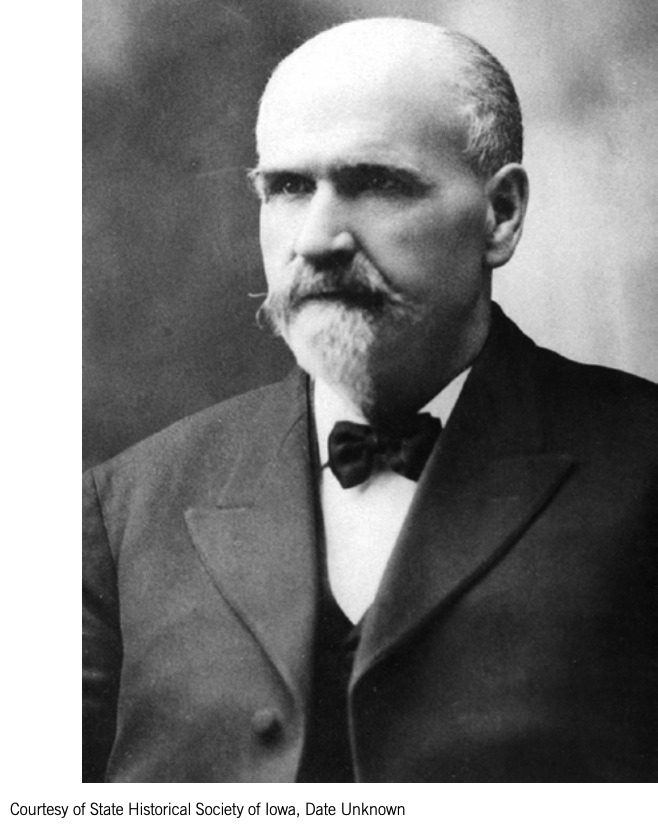
But that didn’t happen here. When businessman J.E. Buxton gave the reins of his coal company to his son, Benjamin, he gave him free rein to build a new town. And Benjamin Buxton, a white man, wanted something different.
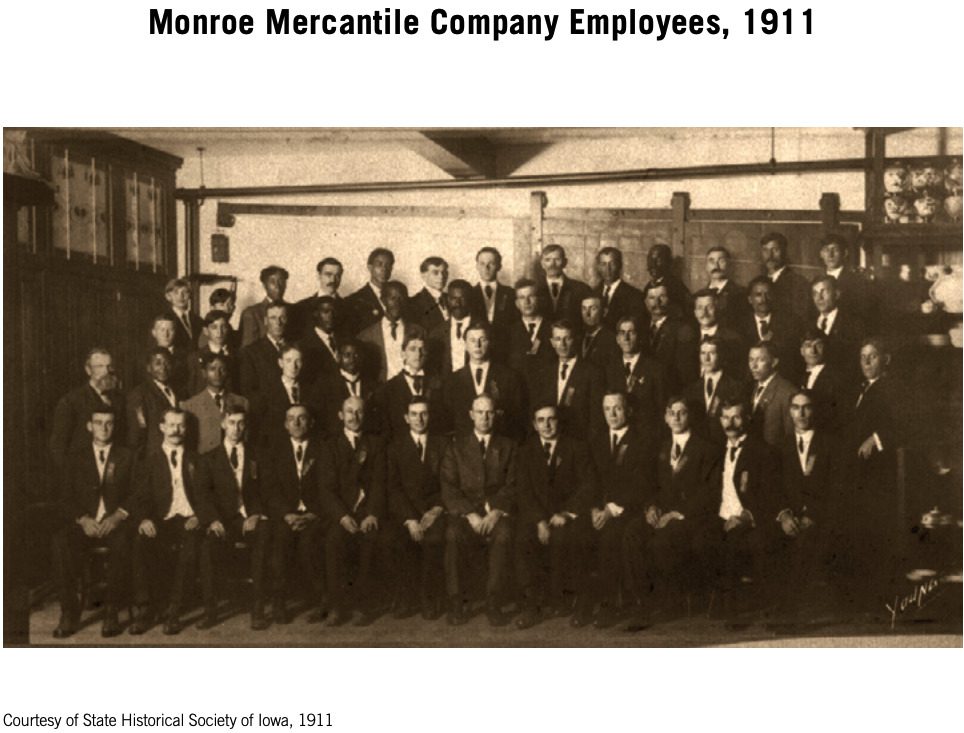
So he built Buxton: A company town where Black and white Swedish residents were treated equally:
- They were neighbors,
- lived in identical company housing,
- went to the same school with Black and white teachers,
- shopped at each others’ businesses,
- swam in the same pool at the same YMCA,
- and were paid equal—and very good—wages.
By 1905, Buxton was majority Black, with 2,700 Black residents and almost 2000 white ones. And it nurtured a Black professional class: The first Black man to graduate from the University of Iowa Medical School was from Buxton, as was an attorney and cofounder of what would become the NAACP.
Once the coal was gone, however, so was Buxton. But the story of what could be done, when it matters to those with money and power, still resonates.
For more on Buxton, check out LostBuxton.com, where journalist and historian Rachelle Chase (previously of Starting Line!) has extensively researched the town.
Do you have any stories about Buxton? Tell me!

Support Our Cause
Thank you for taking the time to read our work. Before you go, we hope you'll consider supporting our values-driven journalism, which has always strived to make clear what's really at stake for Iowans and our future.
Since day one, our goal here at Iowa Starting Line has always been to empower people across the state with fact-based news and information. We believe that when people are armed with knowledge about what's happening in their local, state, and federal governments—including who is working on their behalf and who is actively trying to block efforts aimed at improving the daily lives of Iowan families—they will be inspired to become civically engaged.


With Medicaid slashed, Iowa woman relies on unpaid friends for help
I spoke with an Iowa woman who says the government's Medicaid cuts mean she's relying on unpaid care work from her friends. Christie Cellman is a...
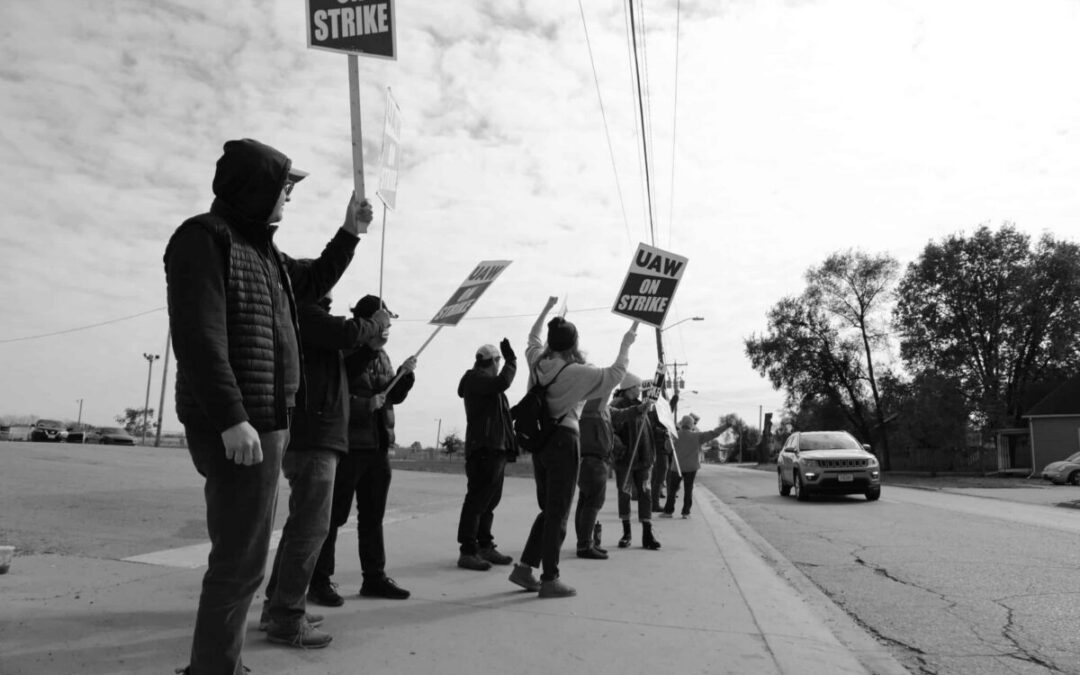
7 times labor unions made history in Iowa
The labor movement in Iowa has a rich history of struggles, solidarity, and hard-won victories. Here are seven of the most notable events. Workers...

Iowa leaders slam Whirlpool for Amana layoffs: Iowa Worker’s Almanac Feb. 26, 2026
Iowa Worker's Almanac news briefs for Feb. 26, 2026: Whirlpool cuts continue to reverberate around Iowa: News that the company will cut 341 workers...
What’s a lockout? Brenntag Des Moines workers locked out by management
Workers at a Des Moines plant have been locked out of work by their employer. But what is a lockout—and how can you support workers right now?...
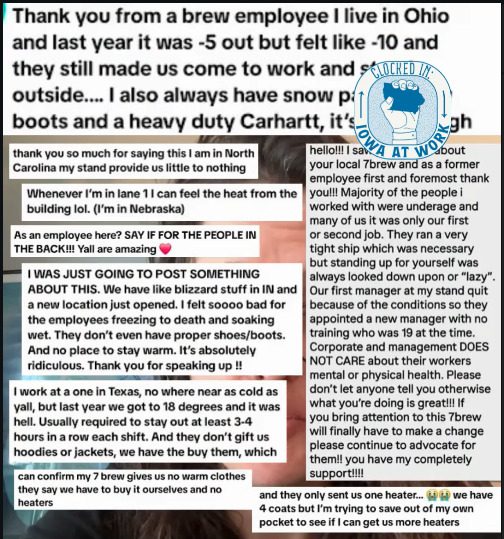
7 Brew Des Moines workers left out in the cold, until this viral video
An Iowa TikTok creator thought she was calling attention to a specific problem in Des Moines. She had no idea the problems at this coffee chain were...
Whirlpool Amana laying off another 341 workers March 9: Iowa Worker’s Almanac, Feb. 19, 2026
Iowa Worker's Almanac news briefs, Feb. 19, 2026: Back to work, for some: John Deere last week rehired 245 laid-off workers in Iowa, with 150 of...