Nearly a fifth of Iowan households do not make enough to live without public assistance, a new Iowa Policy Project report has found, due to factors like rising housing costs.
According to the Cost of Living in Iowa report, released last Tuesday, family budget costs far outpace Iowa’s minimum wage. Costs like housing and transportation now account for about half of a family’s budget, highlighting the need for more affordable housing options across the state.
“There’s two pieces to people being able to afford their housing. One of them is the price of the housing, but the other is how much money they make,” said Chelsea Lepley, a Polk County Housing Trust Fund board member and Des Moines-based activist. “There’s a shortage of supply, but it’s also that wages are just not high enough.”
[inline-ad id=”2″]
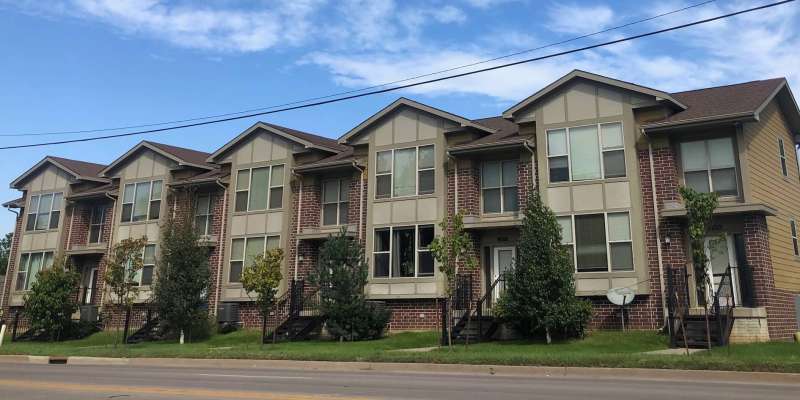
Average housing costs in Iowa increased about 3 percent between 2017 and 2018 for a one or two-bedroom apartment, the report found after measuring U.S. Department of Housing and Urban Development fair market rents.
And the state’s minimum wage has been set at $7.25 an hour for nearly a decade. According to the report, the hourly wage required to provide for basic needs exceeds the wage of more than half of Iowa’s current jobs for single-parent families—even a single person living alone needs $13 an hour to get by.
The project found Des Moines had the largest share of working households who were unable to meet basic needs, while the city’s suburbs have the smallest share. Lepley said the Des Moines area in Polk county is short almost 12 thousand affordable rentals.
“The whole picture is, people can’t afford housing is they’re just not making enough money,” Lepley said.
[inline-ad id=”1″]
Housing is one of the most costly expenses Iowans are facing across the state, according to Iowa Policy Project researcher Natalie Veldhouse.
“Housing eats first,” she said. “Really a lot of people have to pay for housing as one of their most important expenses that they’re concentrating on.”
Veldhouse said the Iowa Policy Project released this report ahead of new figures released Thursday by the U.S. Census Bureau. Census numbers found Iowa was among the nation’s most economically equal states — which isn’t necessarily accurate, Veldhouse said.
While the Census numbers are important in that they set guidelines and eligibility for a number of social programs including tax credits and Medicaid, the numbers aren’t effective in capturing what poverty really looks like statewide, according to Veldhouse — meaning federal support often ends for families long before they are self-sufficient.
[inline-ad id=”0″]
Calculations for current federal poverty levels were developed in the 1960s based on the assumption that a third of a home’s income was spent on food. Today, that percentage is much smaller, while costs like housing are rising.
“So that’s part of the reason that we come out with these cost of living figures,” she said. “Because using that federal data isn’t really showing the hardship that we’re seeing in Iowa.”
To create space for more affordable housing to deal with rising costs across the state, Lepley said there needs to be more advocacy for higher wages.
“If you want people to be able to afford their housing, you need to lobby your state legislature and Congress and get them to raise people’s wages.”
by Isabella Murray
Posted 9/30/19